
Biophilia
You may not know this term yet, but you can’t afford not to know it.
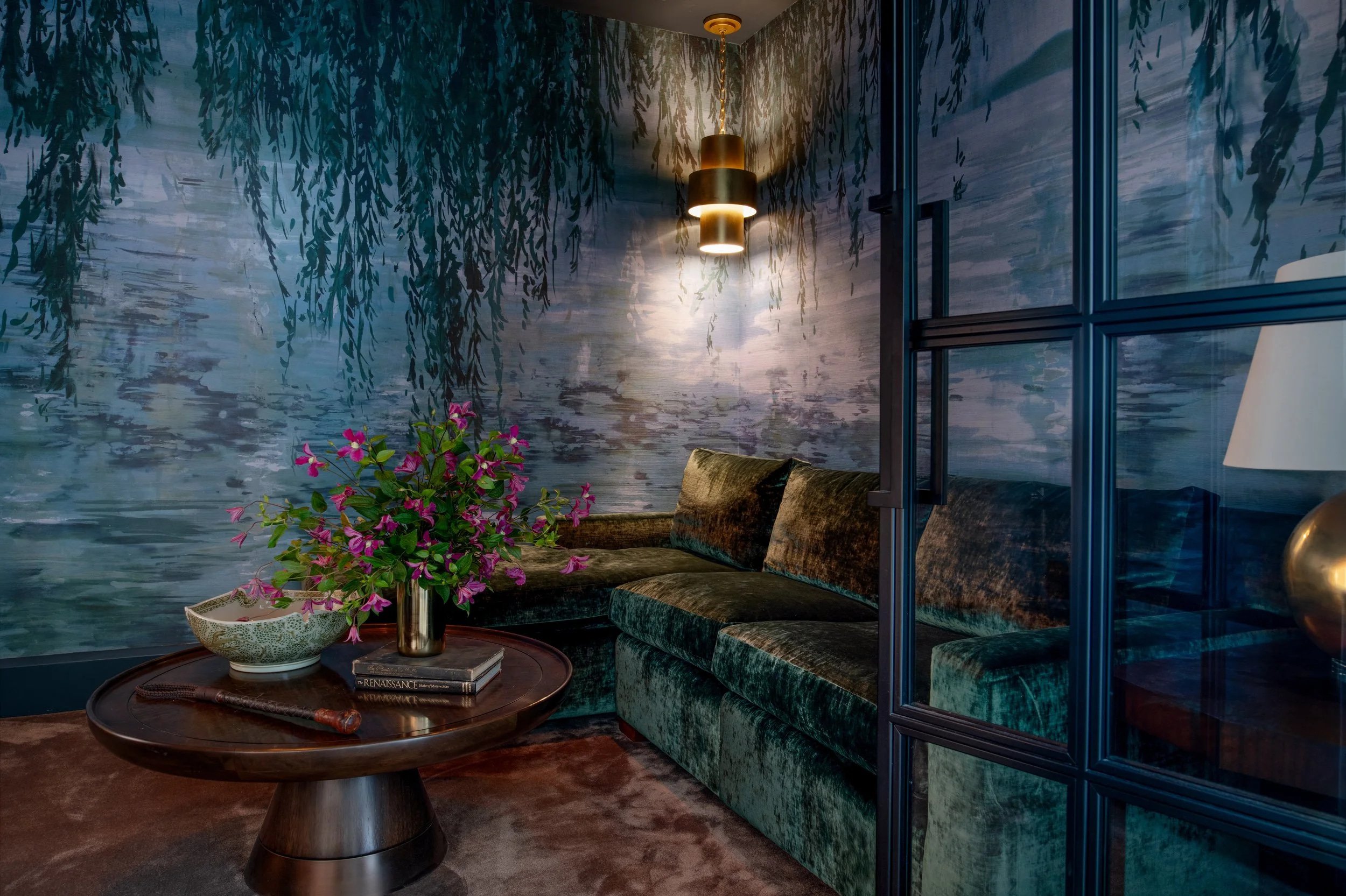
“Melinda, we love our condo.
My favorite room in the house is the den. I actually do yoga in the hall so I can look at the wallpaper.
I love how the room makes you feel.”
Boston Client
Interior design is far more than selecting beautiful furnishings. Every decision we make has the potential to influence how people feel, function and live within their homes. When we design in harmony with nature, beauty becomes more than something we see- it becomes something we feel.
Long before I knew the term “biophilic design”, I was instinctively applying the principles.
Becoming certified in biophilia and understanding its powerful principles was life changing for me—transforming my perspective as a designer.
Let me tell you why.
Biophilia is our innate human connection to nature. Why does “being in nature” feel so pleasant?
Let’s look at it from this perspective.
Modern humans have been on the earth for roughly 300,000 years. We have only spent the last 12,000 years in organized dwellings. Our brains and bodies evolved mostly in natural environments. Our sensory systems were built and developed by the other 288,000 in nature long before home as we know it today existed.
For example:
Think of how you feel in a loud, bright, overcrowded bar as opposed to a quiet walk on a mountain trail with a canopy of trees over your head.
It is estimated that Americans spend 90 % of their day indoors (EPA). 1 in 5 Americans experience mental illness in a given year (NIMH).
It is time to bring this conversation to the forefront.
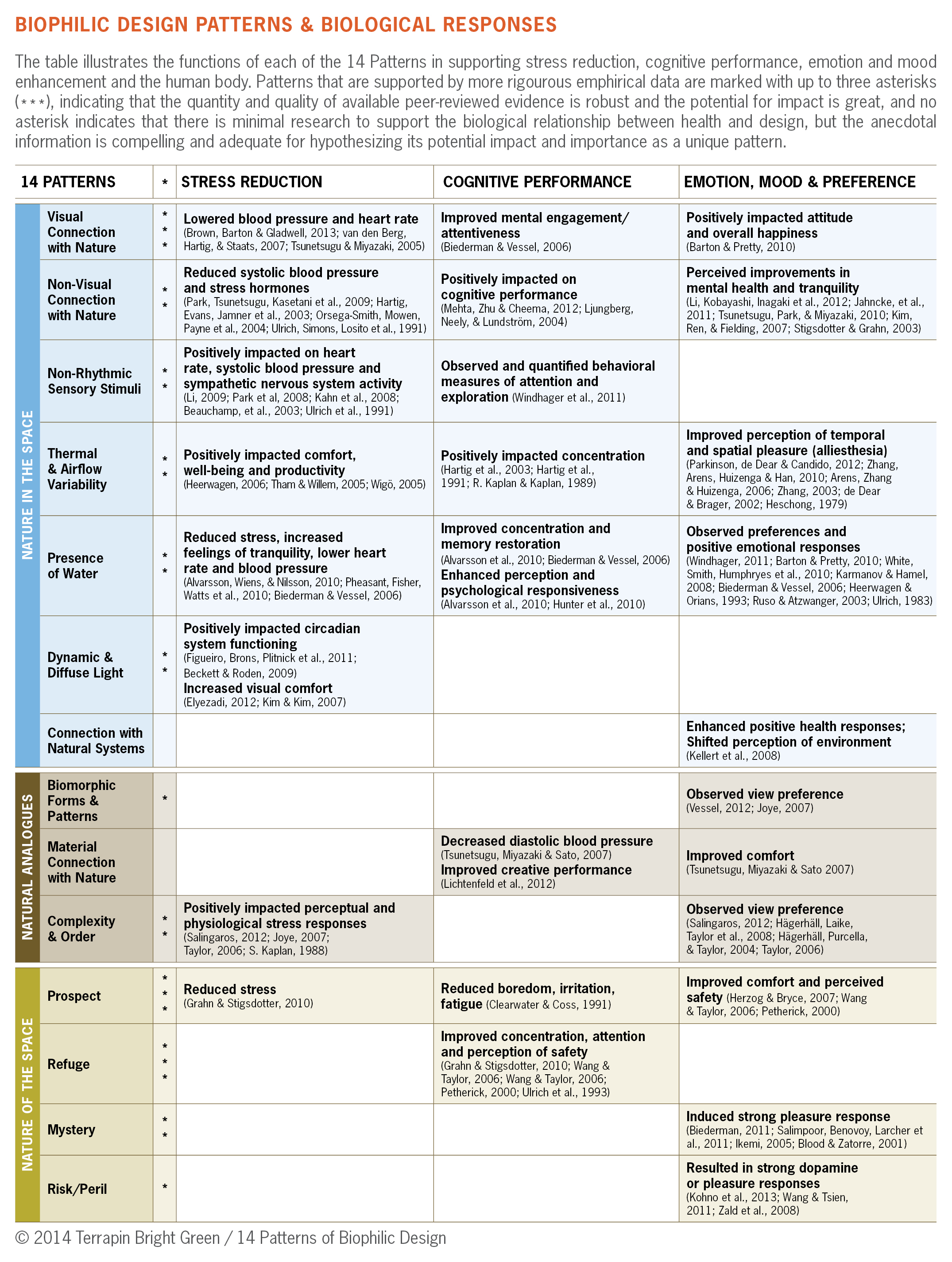
· Visual Connection with Nature
· Non-Visual Connection with Nature
· Non-Rhythmic Sensory Stimuli
· Thermal and Airflow Variability
· Presence of Water
· Dynamic and Diffused Light
· Connection with Natural Systems
· Biomorphic Forms and Patterns
· Material Connection with Nature
· Complexity and Order
· Prospect
· Refuge
· Mystery
· Risk or Peril
· Awe
· Visual Connection with Nature · Non-Visual Connection with Nature · Non-Rhythmic Sensory Stimuli · Thermal and Airflow Variability · Presence of Water · Dynamic and Diffused Light · Connection with Natural Systems · Biomorphic Forms and Patterns · Material Connection with Nature · Complexity and Order · Prospect · Refuge · Mystery · Risk or Peril · Awe
Reduce stress and lower cortisol levels
Calm the autonomic nervous system, encouraging a shift toward the parasympathetic ("rest and restore") state
Improve emotional regulation and reduce anxiety
Enhance focus, attention, and cognitive performance
Reduce cognitive fatigue and mental overload
Improve sleep quality through appropriate lighting and circadian rhythm support
Increase feelings of safety, comfort, and psychological refuge
Promote positive mood
Strengthen social connection and encourage meaningful interaction
Support creativity, curiosity, and problem-solving
Improve recovery and healing by reducing environmental stressors
When these principles are applied, here is what the research associates with them:
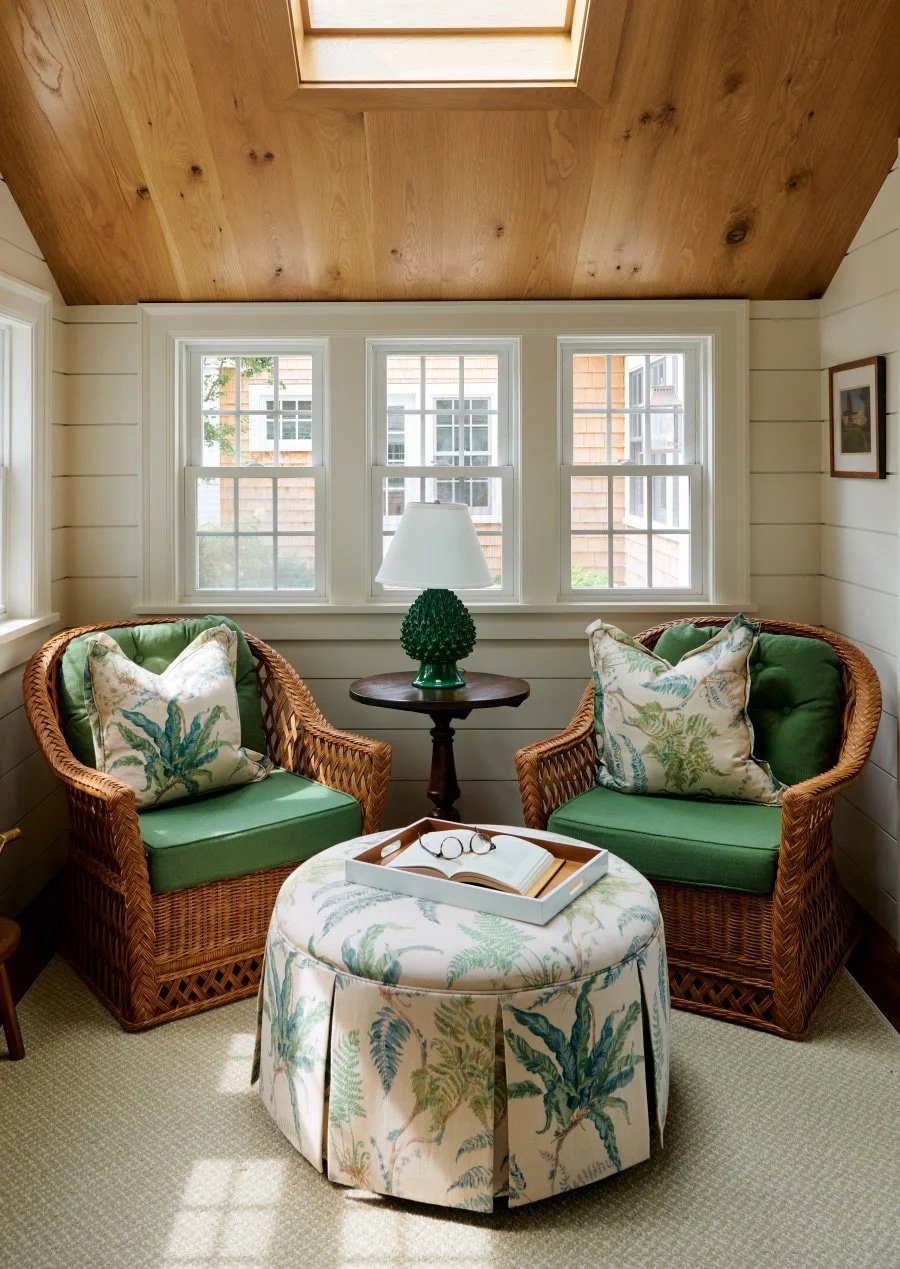
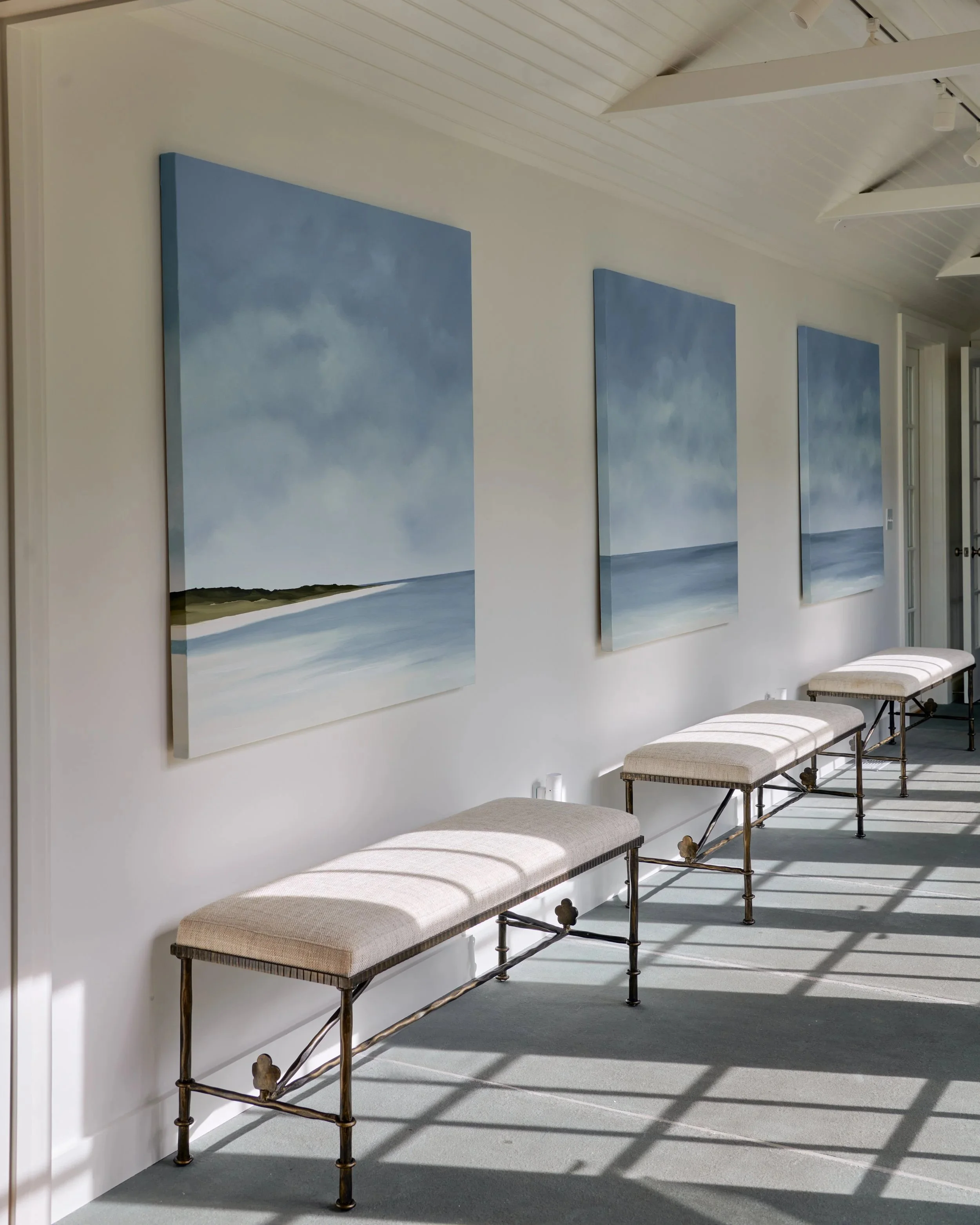
I believe our homes should do more than simply look beautiful. They should actively support your health, strengthen your relationships, and enhance your well-being.
When the project is complete, I won't ask you how it looks. I'll ask you how it makes you feel.
~Melinda

HOME